
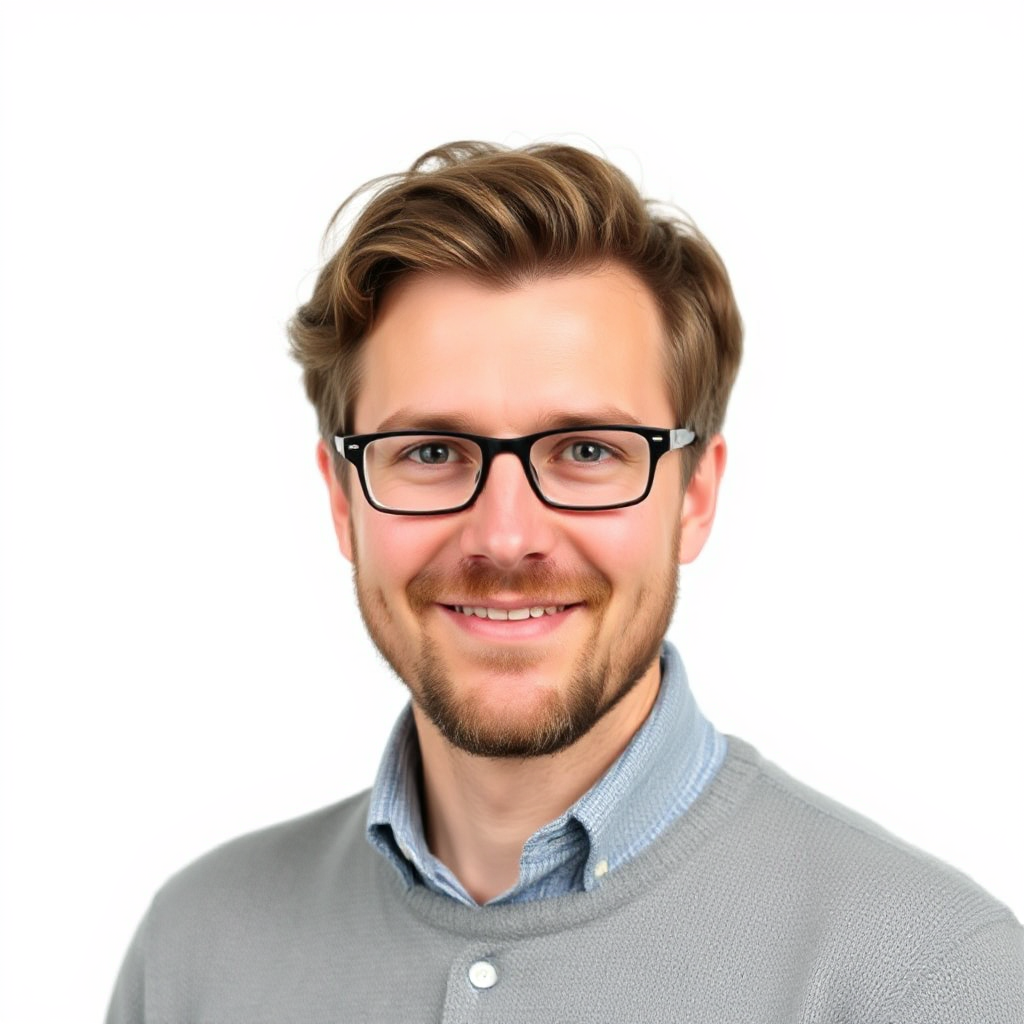
New reports have highlighted a notable phenomenon: some donors are generating a significant number of offspring through fertility clinics. An instance centered on a donor whose genetic material had a mutation that greatly raised the likelihood of disease for a number of of his genetic children. But even more notable was the scope of this donor's reach: his sperm was allegedly distributed to fertility centers in 14 different countries, producing at least 197 offspring.
The revelation offers a rare glimpse into the expanding international sperm donor sector. Fertility assistance allows women to become mothers when it might not traditionally be an option—if due to infertility, being in a LGBTQ+ relationship, or pursuing single motherhood. Addressing this need has transformed into a high-value enterprise.
The Rigorous Donor Criteria
Unlike common assumptions, few potential donor makes the cut to be a fertility donor. Reportedly, only about five out in 100 men actually pass the required benchmarks.
The screening method is comprehensive and entails multiple checks:
- Concentration: Producing a sufficient number of gametes in a sample.
- Swimming Ability: Checking the gametes travel properly.
- Shape: Assessing the shape of the sperm for health.
Additionally, the sperm must withstand the cryopreservation and thawing process at a fertility bank. A person who is demonstrably capable of fathering children and may already have kids of his own could still be deemed not a candidate.
Regulations are not uniform globally, but frequent criteria include being within a certain age bracket (e.g., 18-45), being tested negative for infections like HIV/AIDS, and not having certain inherited conditions.
This demanding screening results in a limited number of suitable donors. Consequently, in many countries, a significant amount of fertility samples is sourced from abroad.
Popularity and "The Swipe"
Among this small group of men, particular profiles become far more in-demand than others. This selection process sometimes resembles the dynamics of modern dating apps.
"The reality is if their name is Sven and they possess fair hair, and they are over six feet and they play sports, and they have hobbies and are well-educated—it's obvious that's considerably more attractive than a profile that is ordinary," notes a male fertility professor.
Future mothers can typically view donor profiles that include images, audio clips, job descriptions, and physical attributes like stature and build. Ultimately, recipients are swiping based on preference.
An International Export in Genetic Material
Scandinavian nations like Denmark has emerged as a world hub for sperm donation. The region has even developed a moniker for producing so-called "Viking-descendant children".
Fertility experts highlight a combination of cultural and hereditary factors explaining this success. In terms of attitude, altruistic donation is reportedly seen with minimal taboo and is commonly linked with other altruistic behaviors, like giving blood.
Biologically, some contend that specific genetic features common in Danish donors are notably sought after. The reasoning is that these traits enable the recipient's own genetic features to be predominant to be expressed in the offspring.
Cross-Border Rules and Moral Questions
The ability for donations to readily be shipped internationally is a central element allowing men to have extremely high numbers of descendants. Different states apply their own limits on the number of offspring per donor.
- Some limit the total number of offspring.
- Others cap the number of recipients, allowing each recipient to have more than one children from the same donor.
However, there is frequently no international tracking to stop a single man's samples from being used to the allowed extent in many separate countries at the same time. This can lawfully create a scenario where a donor has dozens of resulting offspring throughout the globe, frequently without his awareness.
In response to growing concerns, proposals have been advocated for stricter oversight. Suggestions include:
- Establishing a pan-European or worldwide donor register to monitor use.
- Implementing a reduced limit on the amount of families a one can assist.
The Individual Consequences
Apart from the regulatory questions, there are deep emotional implications. Children created through donor conception may one day learn they have hundreds of half-siblings. Some individuals, this discovery can be upsetting.
Similarly, donors may be not be informed of the sheer number of their procreated legacy. The advent of commercial genetic testing and platforms has allowed it to be far simpler for relatives to connect with genetic family outside formal processes.
"The implications of using genetic material
